

The Economics of Work — a podcast by Revelio Labs




Latest episode
Episode 24 · Rick Hanushek · 59 min
Rick Hanushek: What Schools Get Wrong
The secret to better schools isn't always more money, smaller classes, or better curriculum. It's often better teachers. The problem is the American education system is almost perfectly designed to prevent that from happening. In this episode, Ben sits down with Rick Hanushek, senior fellow at Stanford's Hoover Institution, to dig into what the evidence says about how schools work, why they often don't, and what AI is about to do to all of it.

Previous episodes
- Listen now
Episode 23 · Natalia Emanuel · 47 min
Natalia Emanuel: What We Lose When We Stop Working in the Same Room
When two people have a conversation in person, their brains synchronize. Over Zoom, they lose 90% of that neural synchrony. That's the starting point for understanding what remote work has actually cost us.
- Listen now
Episode 22 · Ernie Tedeschi · 43 min
Ernie Tedeschi: What the Productivity Numbers Say About AI
Productivity growth in the US has jumped by about a percentage point since 2023. That's a big deal. Whether AI is the cause, or just the context, is a much harder question to answer than most commentary assumes.
- Listen now
Episode 21 · Mike Spence · 1 hr
Mike Spence: What a Nobel Laureate Thinks AI Does to Education
The theory of labor market signaling changed how economists think about education, hiring, and information. Fifty years later, AI is rewriting the conditions that made the theory work. In this episode, Ben sits down with Mike Spence, Nobel laureate and former dean at both Harvard and Stanford, to explore what AI means for signaling, growth, education, and the structure of markets.
- Listen now
Episode 20 · Anna Stansbury · 49 min
Anna Stansbury: Worker Power, Wages, and What's Gone Wrong in the American Labor Market
The labor share of income has dropped from roughly two thirds to below sixty percent since the early 1980s. The US looks like an outlier even among rich countries. In this episode, Ben sits down with Anna Stansbury, MIT economist and co-author with Larry Summers of influential work on worker power, to dig into what's driving wage stagnation and which institutions might fix it.
- Listen now
Episode 19 · Paul Osterman · 52 min
Paul Osterman: The Disposable Worker: How Firms Learned to Stop Investing in People
The postwar employment contract, characterized by stable jobs, career ladders, wages that rose with productivity, didn't dissolve overnight. Firms chipped away at it deliberately, and the result is a labor market organized around workers who were never meant to stay.
- Listen now
Episode 18 · David Deming · 48 min
David Deming: What's Happening to Young Workers, and What College Should Do About It
For the first time in recent history, new college graduates have a higher unemployment rate than the general population. The causes are tangled, the implications are serious, and universities are caught in the middle. In this episode, Ben sits down with David Deming, Harvard economist and Dean of Harvard College, to work through what's driving the shift and what it means for how we think about education, expertise, and careers.
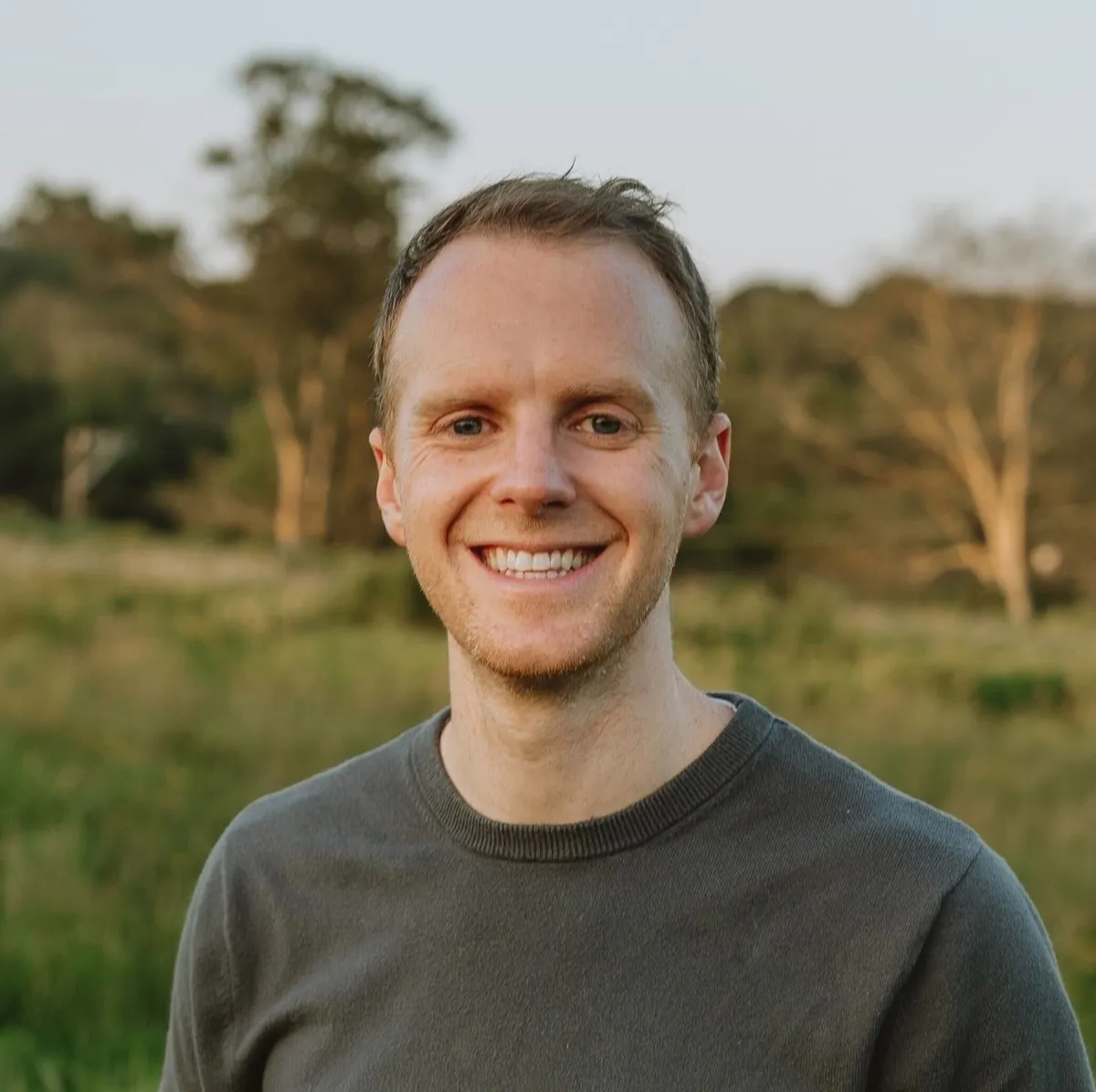
Hosted by Ben Zweig
Ben Zweig is a labor economist and the CEO of Revelio Labs, a workforce intelligence company. A passionate advocate for understanding the evolving nature of work, Ben also teaches The Future of Work at NYU Stern. Before founding Revelio Labs, he was a Managing Data Scientist at IBM’s Chief Analytics Office and a Quantitative Strategist at an emerging markets hedge fund. He holds a PhD in Economics from the CUNY Graduate Center, and he is the author of Job Architecture: Building a Language for Workforce Intelligence.
“Ever since taking my first economics class 20 years ago, I’ve been trying to learn as much as possible about how and why we do what we do. For me, the best way to do that is to listen to the people who have thought the most deeply about it.”
Try Revelio Labs
Start understanding the world's workforce.